Garage Epoxy Flooring
Full garage floor prep and coating: mechanical grinding, an ASTM F2170 moisture check, and an epoxy or polyaspartic system chosen for salt and freeze-thaw exposure, not a one-size-fits-all product.
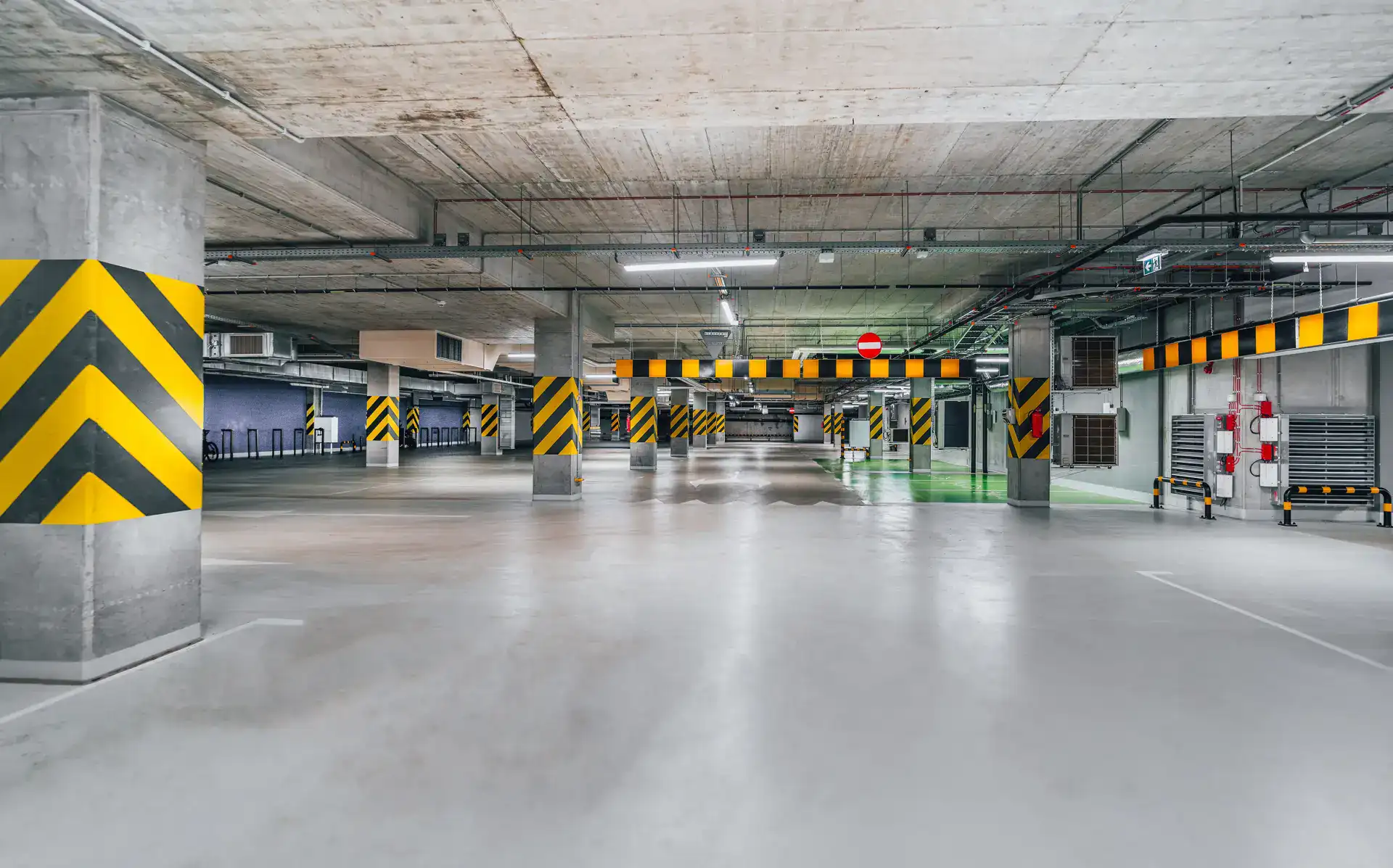
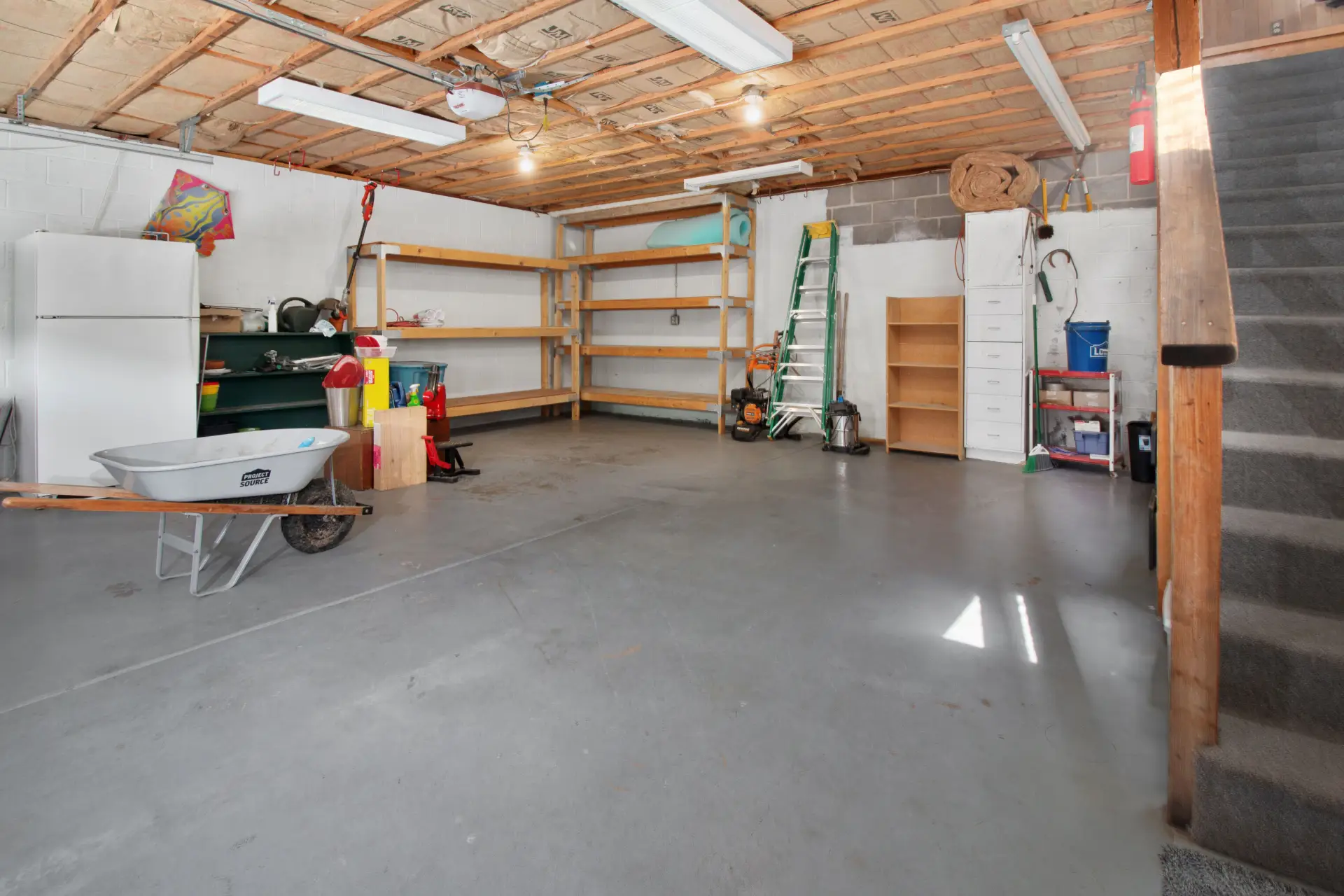
Grinding, moisture-testing, and coating for concrete floors that hold up to road salt and freeze-thaw cycles — garages, basements, and showrooms across Dane County. No shortcuts on prep, no mess left behind.
Madison Quality Epoxy Flooring is your local resource for garage, basement, and commercial epoxy floor coatings throughout Madison and Dane County. We work with experienced epoxy flooring professionals who spec the coating system around what actually happens on that floor instead of selling the same product to every job. From a two-car garage in Fitchburg to a service bay off East Washington Avenue, every job starts with a moisture test most companies skip.
Homeowners across Madison and Dane County all need the same thing: a garage, basement, or bonus-room floor built for freeze-thaw and road salt, not a coating that peels by the second winter.
Property managers, retailers, and shop owners all need the same thing: a floor that doesn't need to be redone every two winters.
A phone number and a truck in the driveway don't make an epoxy company. Here's what actually sets the professionals we work with apart, one item at a time.
The professionals we work with are based in Dane County, not a national franchise dispatching a crew from out of state — same people, same standards, job after job.
Relative humidity gets tested in the slab (the ASTM F2170 method) before any epoxy goes down — not just a surface check. Skipping this is the leading cause of a coating failing within its first year.
The free estimate is the final price. What gets quoted is what you pay — nothing added once work is underway.
If the floor doesn't cure right, it gets made right — no debate, no upcharge. The professionals we work with stand behind every job.
Wisconsin spreads nearly 800,000 tons of chloride deicer statewide every winter, according to the DNR — up from roughly 600,000 tons in the early 2000s — and a share of it rides into garages on tires and boots, mixing with melted snow into a brine that seeps into unsealed concrete. When temperatures drop back below freezing, that trapped brine refreezes and expands, cracking the slab from the inside — the same mechanism that blisters and peels a poorly-installed coating near the garage door, where brine pools the most.
Spring thaw and Madison's location on the isthmus between Lake Mendota and Lake Monona both push moisture up through a slab from underneath — the two lakes stay ice-covered an average of about 102 days a year, per UW-Madison's Center for Limnology, which is a long stretch of the ground underneath a slab staying saturated or refreezing. Epoxy applied without a real relative-humidity reading (ASTM F2170 is the actual industry test) is the single most common reason a coating delaminates within the first year — a moisture-mitigating primer, not just a degreaser, is what actually prevents it.
Madison averages 51.8 inches of snow a year on NOAA's 1991-2020 climate normal, and a Dane County garage floor goes through dozens of freeze-thaw cycles across that stretch — every cycle flexes the concrete underneath whatever sits on top of it. Polyaspartic and epoxy-hybrid systems handle that flex better than a single-coat epoxy job, which is why the system matters as much as the color.
The professionals we work with cover Madison and the rest of Dane County as a standard part of the service area, not a special trip. Find your city below.
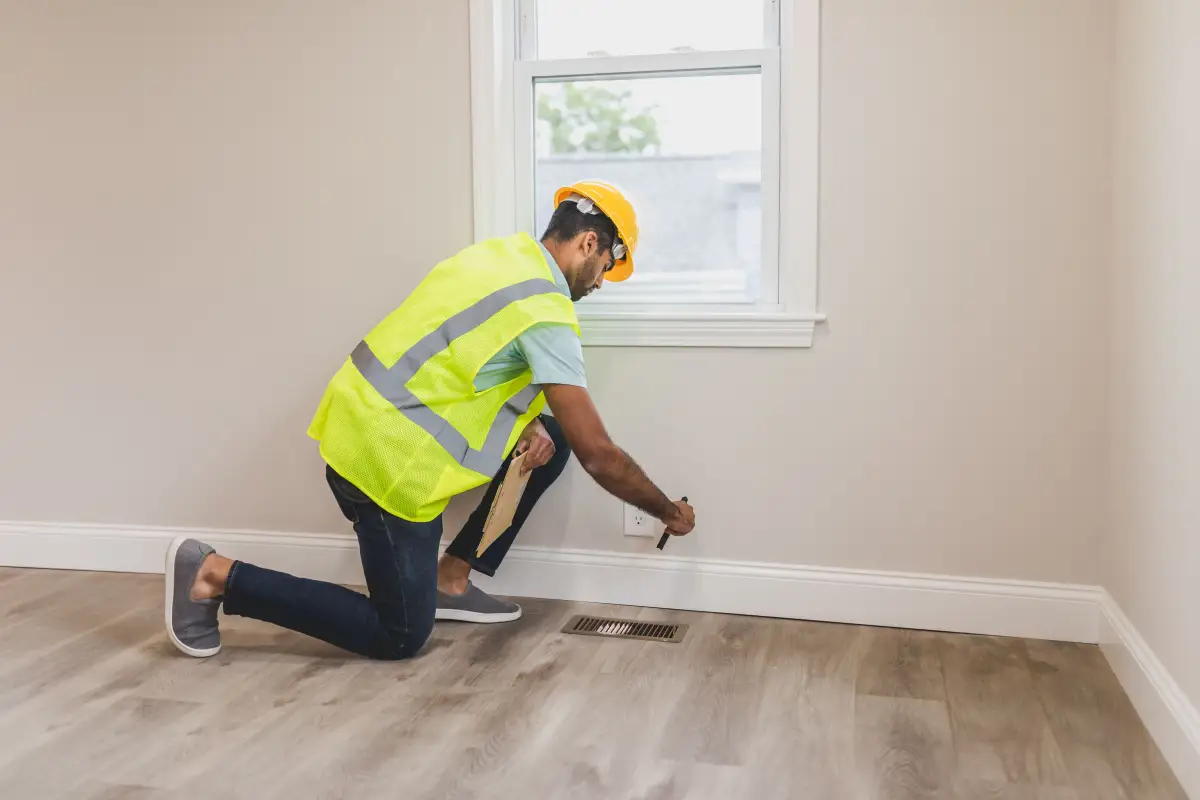
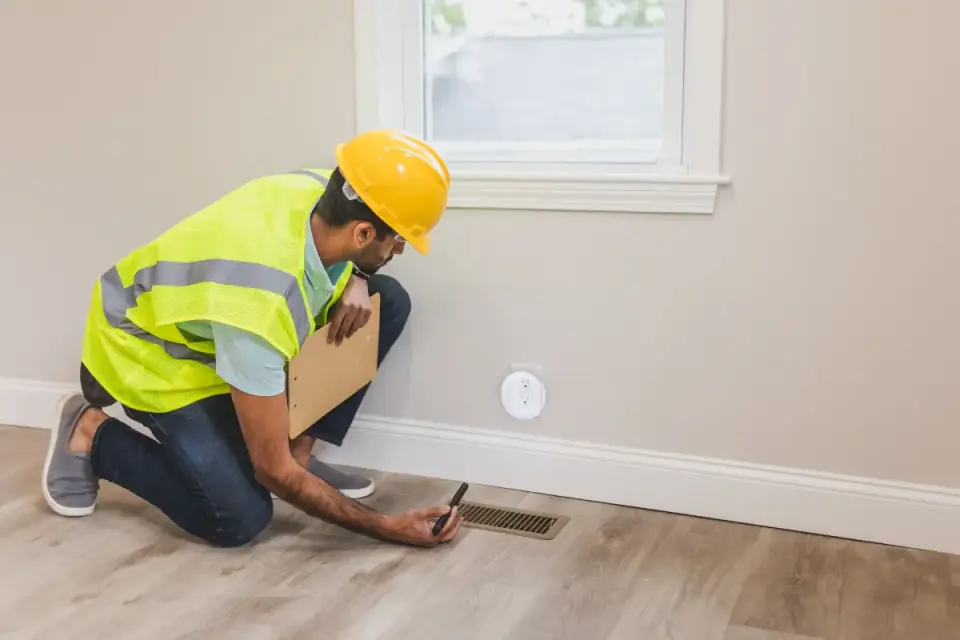
A flooring specialist tests the concrete's moisture level and checks for cracks or old coatings before quoting anything.
The old finish or bare concrete gets mechanically ground down — not just acid-etched — so the epoxy actually bonds instead of sitting on top.
A vapor-mitigating primer goes down first if the moisture reading calls for it, then the epoxy base coat and any color or metallic finish.
A polyaspartic or urethane topcoat seals it, with real cure-time guidance given before anyone parks a car or moves equipment back in.
Epoxy flooring nationally runs $4 to $10 per square foot installed — roughly $2,500 to $3,500 for a typical two-car garage — according to HomeGuide’s 2026 cost data. Madison- area pricing tracks close to that range; what actually moves your number is the same handful of factors every time.
| Coating Type | Cost Per Sq. Ft. Installed | Typical 2-Car Garage (~400 sq. ft.) |
|---|---|---|
| Standard Epoxy | $3 – $7 | $1,200 – $2,800 |
| Flake Epoxy | $5 – $9 | $2,000 – $3,600 |
| Polyaspartic / Polyurea | $5 – $12 | $2,000 – $4,800 |
| Metallic Epoxy | $8 – $18 | $3,200 – $7,200 |
| Full System, Installed (all-in) | — | $1,600 – $5,800 |
National 2026 pricing from HomeGuide, Angi, and ArmorGarage cost guides, based on a typical 400 sq. ft. two-car garage. Condition of the existing concrete, coating system, and finish move the number most — estimates are free, done on-site, and that's the final price.
An online range is a starting point, not a quote. Pricing gets set on-site by the specialist who inspects the floor, and that number doesn't change once work begins.
Learn More