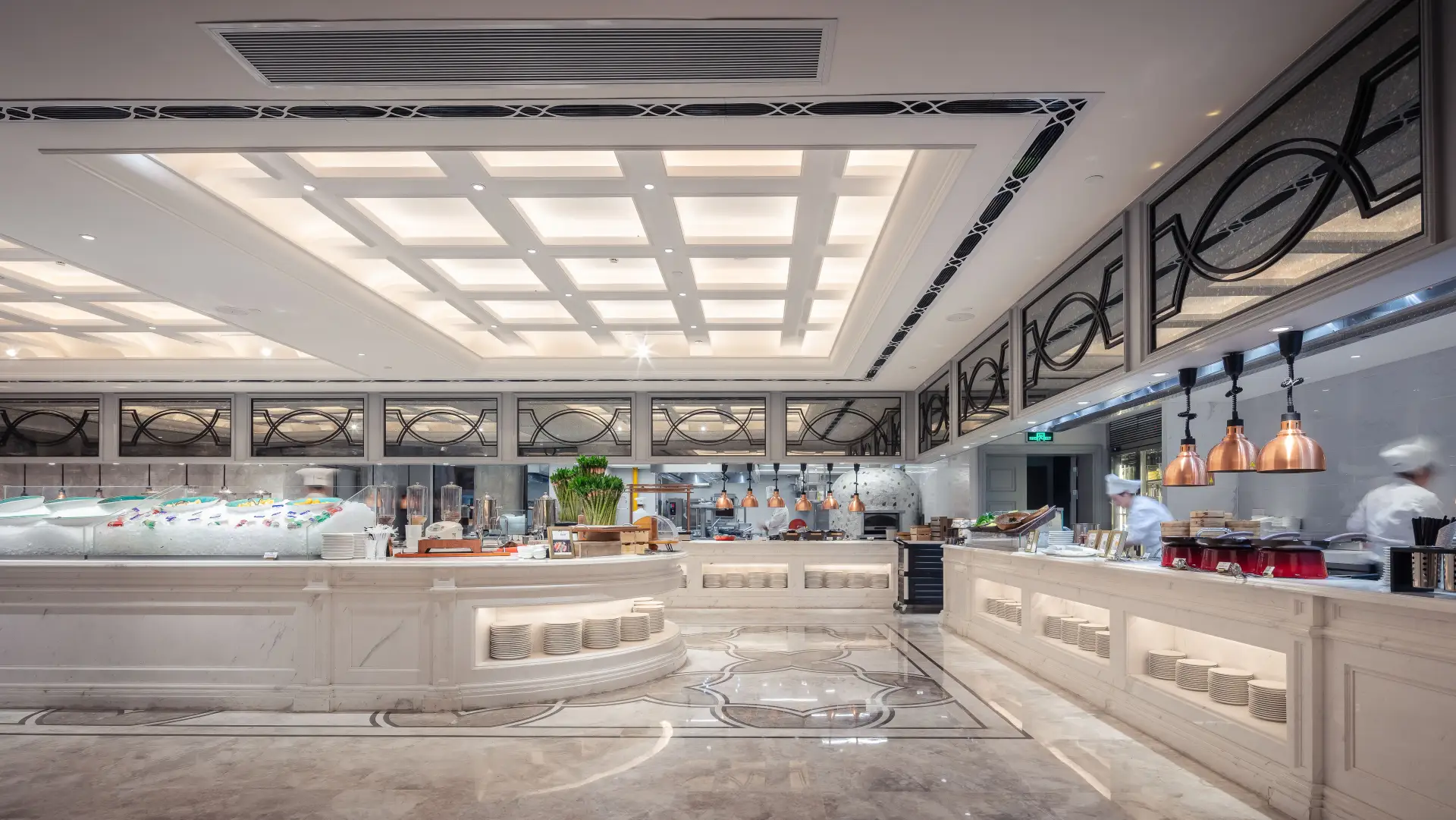
Commercial Kitchen & Restaurant Flooring in Madison, WI — Residential & Commercial Food-Service Coatings
Slip-resistant, chemical-resistant floor coatings built for a working kitchen — grease, steam, and daily wash-down — with the coving detail health inspectors actually look for.
How Commercial Kitchen & Restaurant Flooring Gets Approached
Madison Quality Epoxy Flooring is your local resource for commercial kitchen and restaurant floor coatings in Madison, WI and Dane County. We work with experienced flooring professionals who coat food-service floors for restaurants, commercial kitchens, and food-based businesses throughout the area.
A kitchen floor fails differently than a retail or office floor — hot grease, constant wash-down, and a slip-and-fall risk that's a real liability the moment water hits a smooth tile. Slip-resistant epoxy with a quartz or aggregate broadcast, or a heavier urethane cement system for kitchens running hot water and steam daily, gets specced instead of a decorative finish that looks good but doesn't hold up to a dinner rush.
The FDA Food Code calls for a coved floor-to-wall junction in food prep areas, poured with no grout line or gap — a rounded, sealed transition instead of a 90-degree corner where grease and grime collect and a mop can't reach. That coving detail gets built into the coating job itself, not treated as an afterthought, along with drain detailing so standing water actually clears instead of pooling near a prep station.
What’s Included With Commercial Kitchen & Restaurant Flooring
- On-site walkthrough scheduled around your kitchen's operating hours
- Grinding and repair of the existing slab, including old flooring or coating removal
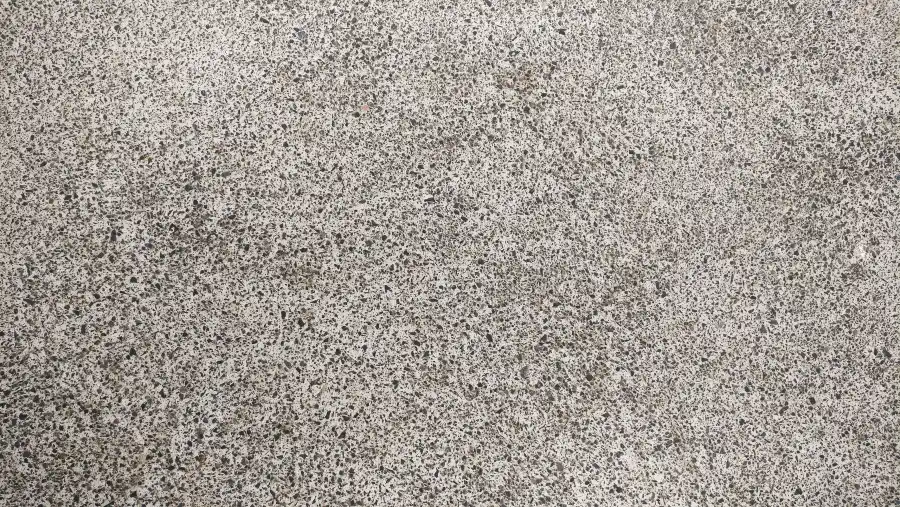
- Slip-resistant quartz or aggregate broadcast, or urethane cement for heavy wash-down areas
- Integral coving at floor-to-wall junctions per FDA Food Code guidance
- Drain detailing so water clears instead of pooling
- Phased or overnight installation to limit kitchen downtime
Commercial Kitchen & Restaurant Flooring Materials & Styles
Slip-Resistant Epoxy vs. Urethane Cement
A quartz or aggregate broadcast epoxy system costs less and handles most kitchens well, but a heavier urethane cement mortar system resists thermal shock from hot water and steam, and heavy grease exposure, better over years of daily wash-down — the better call for a high-volume kitchen running commercial dish machines and steam equipment constantly.
Signs You Need Commercial Kitchen & Restaurant Flooring
- A slippery floor near the dish pit, fryer line, or wash-down station
- Cracked, pitted, or absorbent flooring that traps grease and doesn't clean out
- A floor-to-wall corner without proper coving, flagged on a health inspection
- Opening a new restaurant or commercial kitchen, or remodeling an existing one
How the Job Actually Goes
- 1
Site walkthrough & quote
A flooring specialist assesses the kitchen, discusses operating hours, and gives one fixed price covering prep through cure.
- 2
Grinding and prep
The existing floor and any old coating get mechanically removed so the new system bonds properly.
- 3
Coating and coving
The slip-resistant base system goes down along with integral coving at wall junctions and drain detailing.
- 4
Cure and handoff
Real cure times for kitchen equipment and foot traffic get confirmed before handing the space back.
What Does Commercial Kitchen & Restaurant Flooring Cost in Madison, WI?
- Square footage and kitchen layout
- Slip-resistant epoxy vs. urethane cement system
- Coving and drain detailing scope
- Condition of the existing floor and any removal needed
A kitchen floor's price is driven more by coving, drain detailing, and surface prep than by the coating material itself — that gets walked through on-site before a number gets written down.
What to Look for in a Madison Epoxy Flooring Professional
Slip Resistance Built to a Standard, Not a Guess
Finishes get specced against real wet-traffic slip-resistance benchmarks, not just labeled "non-slip" on a spec sheet.
Coving Done Right the First Time
Floor-to-wall coving gets built in during installation instead of caulked on after a failed inspection.
Scheduled Around Service Hours
Phased and overnight installs mean most kitchens don't have to fully close to get the floor redone.
Fixed, Written Quotes
One price for the whole job, agreed before work starts — no per-day surprises once work is underway.
Residential & Commercial Commercial Kitchen & Restaurant Flooring
Residential
A serious home kitchen, food-truck commissary, or home-based catering operation that runs like a small commercial kitchen gets the same slip-resistant, wash-down-rated coating scaled to residential square footage.
Commercial
Restaurants, cafes, commercial kitchens, and food-based businesses all need the same basic thing: a floor that survives a dinner rush and a health inspection. The professionals we work with spec the coating and coving to what the kitchen actually runs, not a one-size-fits-all commercial product.
When This Isn’t the Right Fit
- Facilities outside Dane County and south central Wisconsin — that's outside the area the professionals we work with can reach with honest scheduling and response times.
- A dining room or front-of-house floor with no grease or wash-down exposure — that's a decorative commercial flooring question, not a food-service coating one, and gets said honestly rather than upselling a kitchen-grade system you don't need out front.
Frequently Asked Questions
- How much does commercial kitchen flooring cost?
- Coating a 1,000 sq. ft. restaurant kitchen typically runs $5,000 to $15,000 installed in 2026, or roughly $4 to $12 per square foot depending on the system — basic slip-resistant epoxy runs toward the lower end, urethane cement toward the higher end. Surface prep, coving, and drain detailing move the number more than the coating material itself.
- Does my kitchen floor need to meet a specific code?
- The FDA Food Code calls for smooth, durable, non-absorbent floors with coved floor-to-wall junctions in food prep areas — most local health departments enforce a version of this. The coating and coving get built to that standard, not just a generic commercial finish.
- Epoxy or urethane cement — which one do I need?
- Epoxy with a slip-resistant broadcast handles most kitchens well and costs less. Urethane cement costs more but resists thermal shock and heavy grease better, which matters more for a high-volume kitchen running hot water and steam constantly.
- Can you coat a kitchen floor without closing the restaurant?
- Usually, yes — most kitchen jobs get scheduled overnight or in phases so the kitchen can reopen for service the next day rather than closing for a full week.
- Will a slip-resistant floor pass a health inspection?
- A properly coved, slip-resistant, non-absorbent floor addresses the flooring items most health inspectors check — but the inspection covers far more than the floor, so it's one piece of passing, not a guarantee on its own.
Learn More
- FDA Food Code — the federal model code most local health departments reference for food prep area floor and coving requirements.
- OSHA — Walking-Working Surfaces (1910.22) — federal requirements for keeping work floors clean, dry, and free of slip hazards.
Ready to Get Commercial Kitchen & Restaurant Flooring Quoted?
Tell us what’s going on and we’ll connect you with a free, on-site quote — no charge for the estimate, and no obligation to book it.
Get My Free Estimate