Warehouse Epoxy Flooring in Madison, WI — Residential & Commercial Concrete Coatings
Coatings sized for large floor plates and continuous rolling traffic, with safety line striping and a phased install schedule that keeps a facility operating.

How Warehouse Epoxy Flooring Gets Approached
Madison Quality Epoxy Flooring is your local resource for epoxy and polyaspartic concrete coatings in Madison, WI and Dane County. We work with experienced flooring professionals who install these systems for warehouses and distribution floors throughout the area.
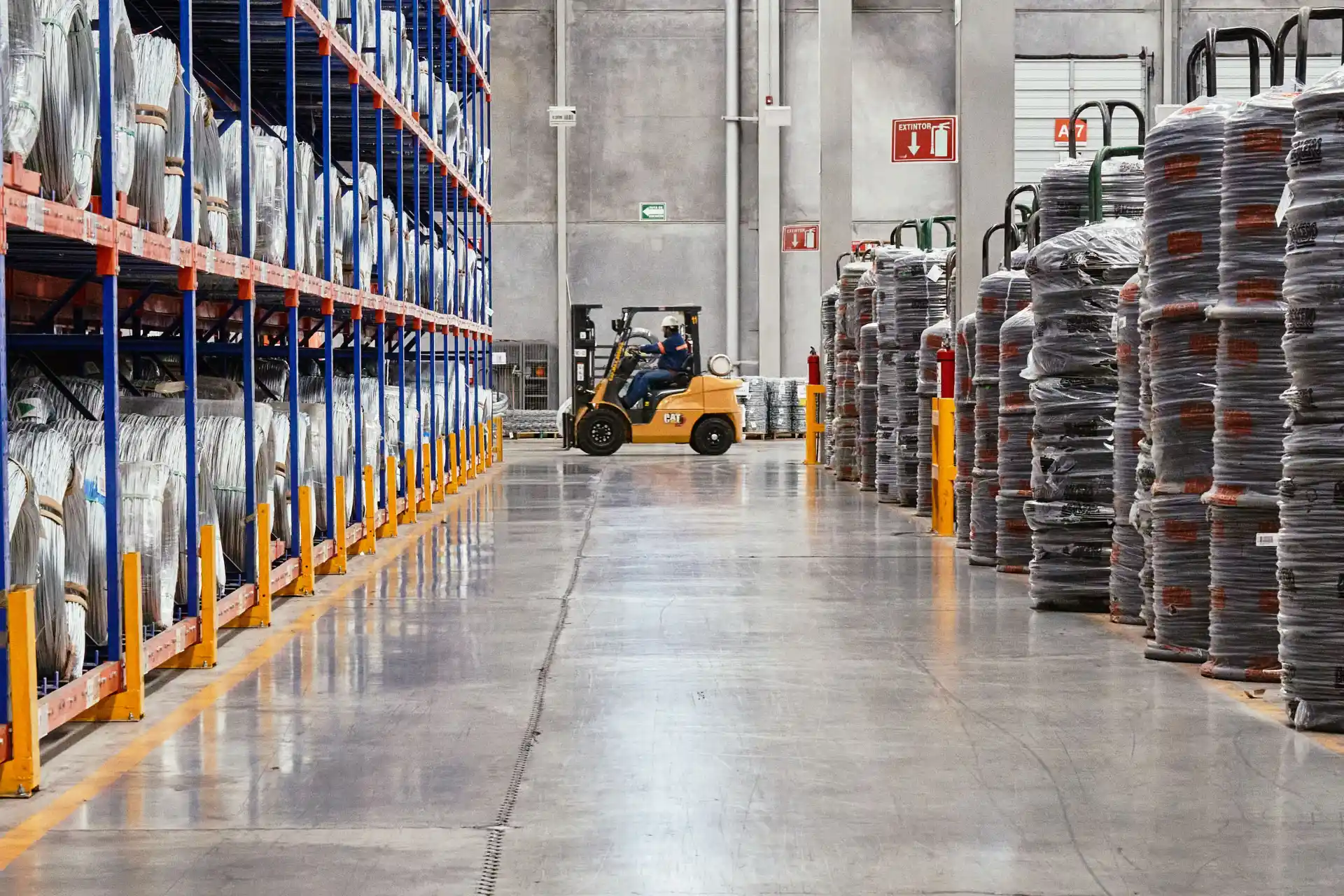
A warehouse floor is mostly about square footage and continuous rolling traffic rather than a single decorative finish — pallet jacks, racking loads, and constant foot and cart traffic across a floor plate that can run tens of thousands of square feet. The slab gets ground and moisture-tested in sections, then a high-build epoxy or polyaspartic system gets applied, rated for that kind of sustained use, including any line striping the facility needs for aisles and safety zones.
Because most warehouses can't fully shut down, large jobs get scheduled in phases — coating one section while another stays operational, then rotating — so the facility keeps functioning through the install instead of losing a week of throughput all at once.
What’s Included With Warehouse Epoxy Flooring
- Facility walkthrough covering floor plate size, traffic patterns, and racking loads
- Sectional grinding and moisture testing across large floor plates
- High-build epoxy or polyaspartic system rated for rolling and pallet-jack traffic
- Aisle, safety zone, and equipment lane line striping
- Phased installation scheduling to limit downtime
- Written scope and fixed price for the full facility
Warehouse Epoxy Flooring Materials & Styles
Broadcast vs. Trowel-Applied Systems
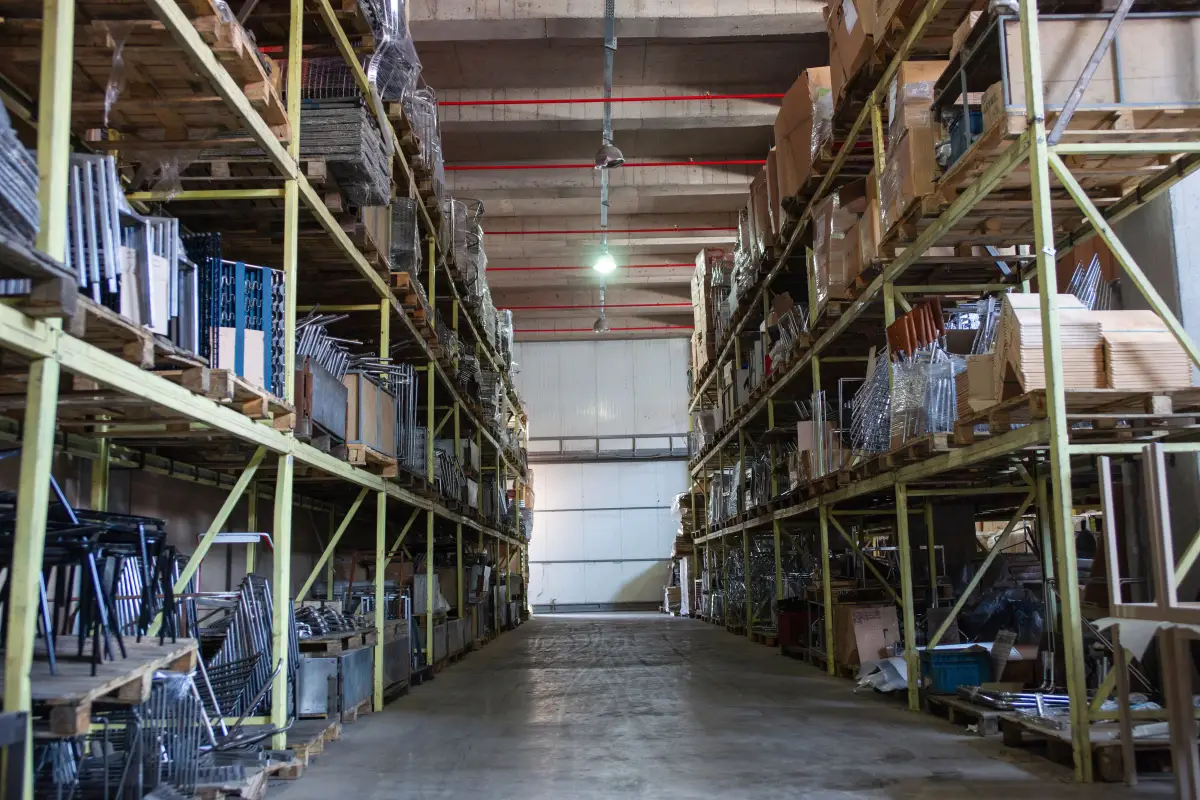
A broadcast (flake or aggregate) system spreads material into the wet base coat for texture and slip resistance across large areas efficiently. A trowel-applied or self-leveling system builds a thicker, smoother, more chemical-resistant surface — usually the better call for a floor seeing heavy point loads or forklift traffic rather than mostly foot and cart traffic.
Signs You Need Warehouse Epoxy Flooring
- Cracking, pitting, or dusting concrete under pallet jack or forklift traffic
- Faded or worn line striping that no longer marks aisles and safety zones clearly
- An existing coating wearing through in high-traffic lanes before the rest of the floor
- A new lease or facility expansion that needs floor prep before racking goes in
How the Job Actually Goes
- 1
Facility walkthrough & quote
The floor plate gets measured, traffic and racking loads assessed, and one fixed price given for the full scope.
- 2
Sectional grinding and prep
The slab gets ground and tested for moisture in sections so the rest of the facility stays operational.
- 3
Coating and striping
The base and topcoat system goes down section by section, with line striping added per the facility layout.
- 4
Rotation and handoff
Completed sections get handed back for use while the next section is coated, until the full floor is done.
What Does Warehouse Epoxy Flooring Cost in Madison, WI?
- Total floor plate square footage
- Number of phased sections required
- Coating build thickness and chemical resistance needed
- Line striping scope
Large floor-plate pricing comes down almost entirely to square footage and phasing complexity — the space gets measured and quoted in writing before scheduling anything.
What to Look for in a Madison Epoxy Flooring Professional
Built for Continuous Rolling Traffic
Thickness and chemical resistance get specced for pallet jacks and racking loads, not light foot traffic.
Phased Scheduling on Large Floor Plates
Sections rotate through the install so most of the facility stays operational the whole time.
Line Striping Included in Scope
Aisle and safety markings get planned into the same quote, not billed as an afterthought.
Fixed, Written Pricing
One price for the entire floor plate, agreed before work starts.
Residential & Commercial Warehouse Epoxy Flooring
Residential
Large residential shops, pole barns, or hobby garages with a floor plate closer to commercial scale get the same phased approach and high-build systems, scaled to the actual square footage.
Commercial
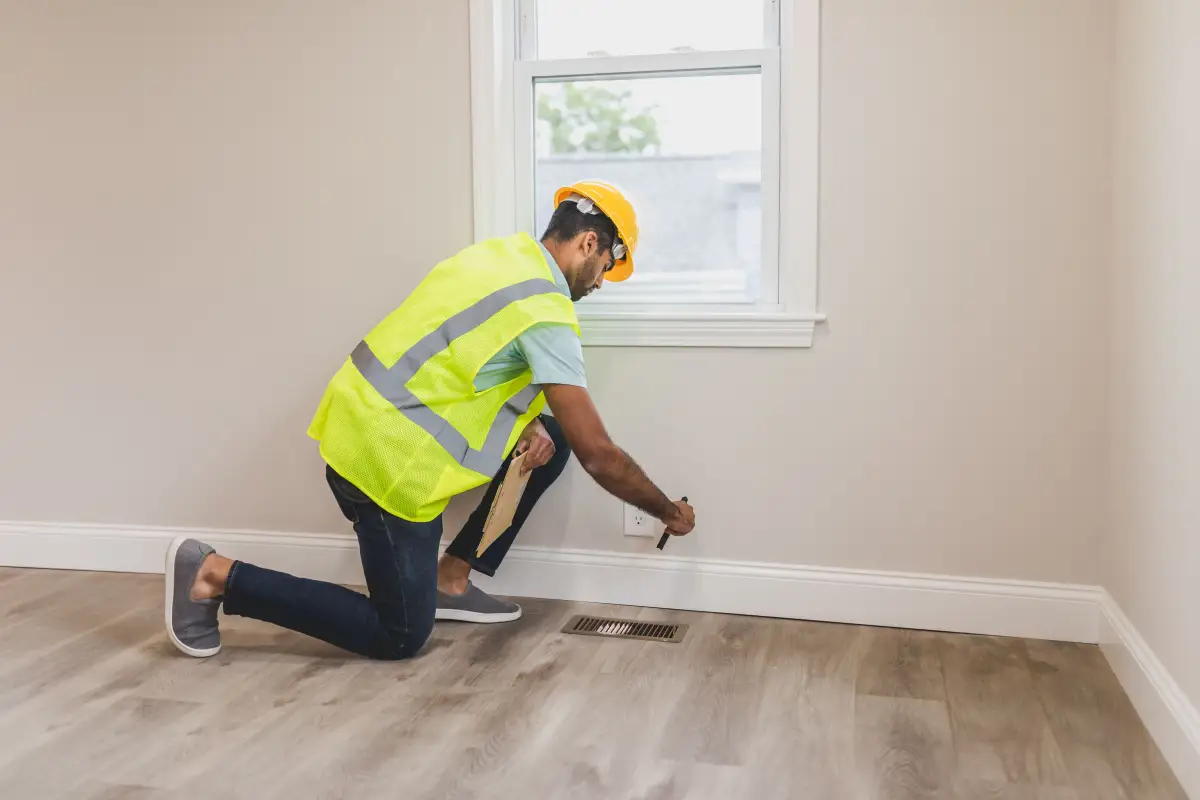
Distribution centers, warehouses, and light-industrial facilities need a floor that handles constant rolling traffic without breaking down at the seams — the system and the schedule get built around keeping the facility running.
When This Isn’t the Right Fit
- Facilities outside Dane County and south central Wisconsin — that's outside the area the professionals we work with can reach with honest scheduling and response times.
- A small single-bay garage — the warehouse-scale phasing and equipment the professionals we work with use are built for large floor plates, and a smaller job gets handled more efficiently through the standard garage or commercial process instead.
Frequently Asked Questions
- How much does warehouse epoxy flooring cost?
- Warehouse pricing is driven mostly by total square footage and phasing complexity rather than a flat rate — national epoxy and polyaspartic coating costs run roughly $3 to $12 per square foot depending on the system, per 2026 cost-guide data, and large floor plates typically see per-square-foot pricing drop somewhat with scale. The space gets measured and quoted in writing.
- Can you coat a warehouse floor without stopping operations?
- Yes, on most jobs — the work gets phased in sections, coating and curing one area while the rest of the facility stays in use, then rotating through the full floor plate.
- Do you include line striping for aisles and safety zones?
- Yes — striping gets planned into the same scope and quote as the coating itself, based on your facility's layout.
- What coating system handles pallet jack traffic best?
- A trowel-applied or self-leveling high-build system generally holds up better to sustained pallet jack and forklift traffic than a lighter broadcast finish, which is built more for texture and slip resistance.
- How long does a full warehouse floor take to complete?
- It depends on total square footage and how many sections the phasing requires — a realistic section-by-section timeline comes as part of the quote rather than a single number that doesn't account for your facility's size.
Learn More
- OSHA — Powered Industrial Trucks — federal safety standards relevant to floors handling forklift and pallet-jack traffic.
- International Concrete Repair Institute — industry technical resource on concrete surface preparation and repair for large floor plates.
Ready to Get Warehouse Epoxy Flooring Quoted?
Tell us what’s going on and we’ll connect you with a free, on-site quote — no charge for the estimate, and no obligation to book it.
Get My Free Estimate