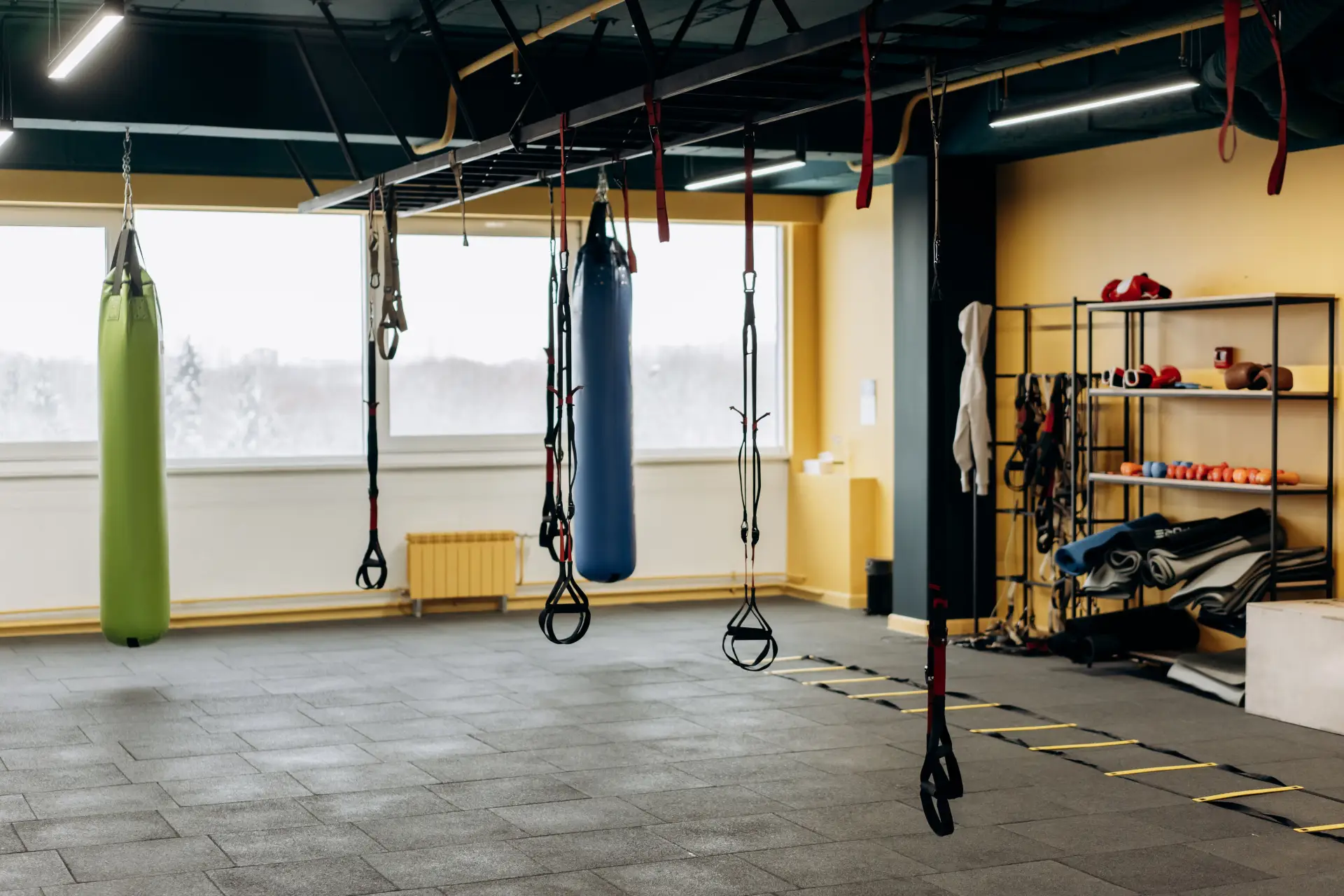
Gym & Fitness Facility Flooring in Madison, WI — Residential & Commercial Fitness Coatings
Durable, easy-to-clean epoxy for cardio and free-weight floors, specced alongside rubber matting in the zones that actually need shock absorption instead of a hard surface everywhere.
How Gym & Fitness Facility Flooring Gets Approached
Madison Quality Epoxy Flooring is your local resource for gym and fitness facility flooring in Madison, WI and Dane County. We work with experienced flooring professionals who coat fitness facility floors for gym owners, studios, and businesses throughout the area.
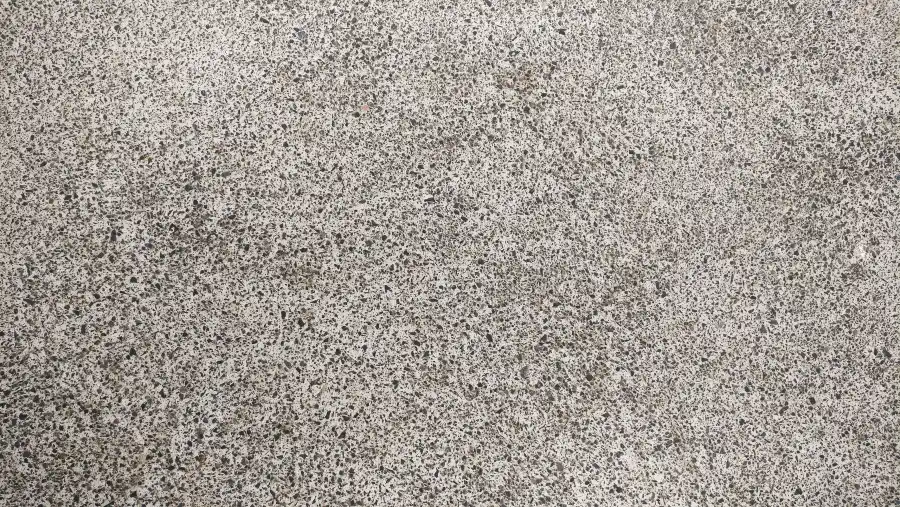
Epoxy holds up well in a gym for the reasons it holds up anywhere else — it's durable, poured with no grout lines or gaps for bacteria to collect in, and easy to disinfect between classes, which matters more in a space where people sweat on the floor all day. What epoxy doesn't do is cushion impact the way rubber does, so most working gyms pair a hard epoxy floor in cardio, studio, and open floor areas with rubber tile or rolled rubber specifically in free-weight and drop-zone areas where dropped plates and impact are a daily reality.
The slab still gets ground and moisture-tested the same as any other coating job, then a slip-resistant finish gets specced for a space that sees constant foot traffic and sweat. Where the layout calls for rubber instead of epoxy, that gets scoped as part of the same quote rather than treated as a separate job.
What’s Included With Gym & Fitness Facility Flooring
- On-site walkthrough covering cardio, free-weight, and studio zones separately
- Mechanical grinding and moisture testing of the existing slab
- Slip-resistant epoxy system for cardio, studio, and open floor areas
- Rubber tile or rolled rubber scoped for free-weight and drop-zone areas
- Line striping for turf lanes, court markings, or zone divisions
- Cure-time guidance before equipment gets moved back in
Gym & Fitness Facility Flooring Materials & Styles
Epoxy vs. Rubber for Gym Zones
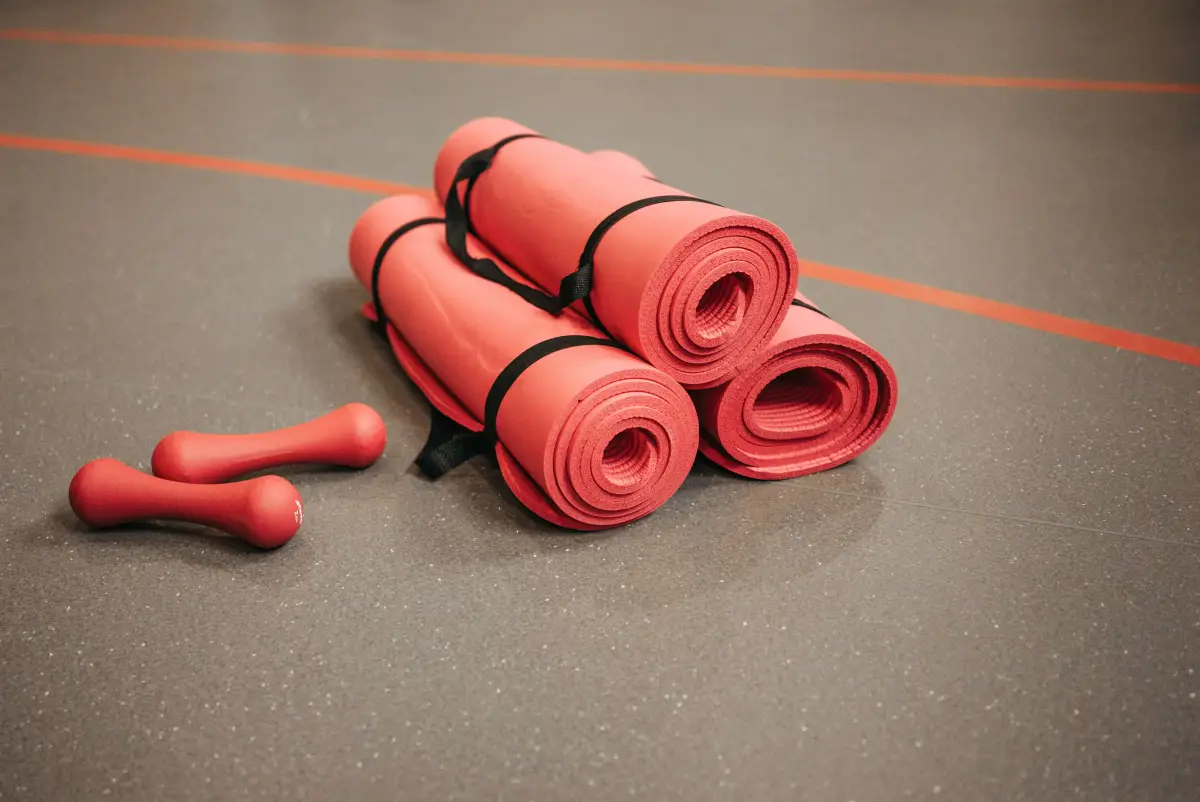
Epoxy is durable, easy to disinfect, and poured with no grout lines or gaps, but it's a hard surface with none of rubber's shock absorption — fine for cardio equipment, studio floors, and walkways, but not the right call under a free-weight rack or a spot where plates get dropped daily. Rubber tile or rolled rubber costs more per square foot but cushions impact and protects both the floor and the equipment in those zones. Most working gyms use both, split by zone rather than picking one floor for the whole facility.
Signs You Need Gym & Fitness Facility Flooring
- A gym floor that's hard to keep clean between classes or sweat-soaked sessions
- Cracking, pitting, or dulling concrete in cardio or open floor areas
- Dropped-weight damage on a floor that was never built to absorb impact
- Opening a new studio or fitness facility, or remodeling an existing one
How the Job Actually Goes
- 1
Facility walkthrough & quote
A flooring specialist walks the space, maps out which zones need epoxy vs. rubber, and gives one fixed price for the full scope.
- 2
Grinding and prep
The slab gets mechanically ground and moisture-tested the same as any other coating job.
- 3
Coating and rubber install
Epoxy goes down in cardio and studio zones; rubber tile or rolled rubber gets installed in free-weight and drop-zone areas.
- 4
Striping and handoff
Any turf lanes, court markings, or zone divisions get striped before equipment moves back in.
What Does Gym & Fitness Facility Flooring Cost in Madison, WI?
| Coating Type | Cost Per Sq. Ft. Installed | Typical 2-Car Garage (~400 sq. ft.) |
|---|---|---|
| Standard Epoxy | $3 – $7 | $1,200 – $2,800 |
| Flake Epoxy | $5 – $9 | $2,000 – $3,600 |
| Polyaspartic / Polyurea | $5 – $12 | $2,000 – $4,800 |
| Metallic Epoxy | $8 – $18 | $3,200 – $7,200 |
| Full System, Installed (all-in) | — | $1,600 – $5,800 |
National 2026 pricing from HomeGuide, Angi, and ArmorGarage cost guides, based on a typical 400 sq. ft. two-car garage. Condition of the existing concrete, coating system, and finish move the number most — estimates are free, done on-site, and that's the final price.
- Total square footage and how it splits between epoxy and rubber zones
- Rubber tile vs. rolled rubber in high-impact areas
- Line striping and zone-marking scope
- Condition of the existing slab
A facility that needs both epoxy and rubber gets quoted as one scope, not two separate jobs — the zone map from the walkthrough is what actually drives the number, not a flat per-square-foot rate applied to the whole building.
What to Look for in a Madison Epoxy Flooring Professional
Zoned by What Each Area Actually Needs
Cardio and studio floors get epoxy; free-weight and drop zones get rubber — not one hard surface applied everywhere.
Moisture-Tested Before Coating
The same ASTM F2170 test used on every job, since a gym floor that delaminates under daily foot traffic is an expensive mistake to fix.
Slip-Resistant for Sweat-Heavy Spaces
The finish gets specced for constant foot traffic and moisture, not a generic commercial coating.
Fixed, Written Quotes
One price for the full facility scope, agreed before work starts.
Residential & Commercial Gym & Fitness Facility Flooring
Residential
A dedicated home gym building, pole barn, or detached garage set up for serious training gets the same zoned approach — epoxy for the open floor, rubber under the rack — scaled to residential square footage.
Commercial
Gyms, fitness studios, and training facilities need floors that survive daily sweat, cleaning chemicals, and dropped equipment without the whole facility needing a rebuild every few years — zoned by what actually happens in each part of the floor plan.
When This Isn’t the Right Fit
- A facility that's entirely free-weight and drop-zone space with no cardio or studio floor — that's mostly a rubber flooring job, and getting told that honestly beats selling an epoxy floor you don't need.
- Facilities outside Dane County and south central Wisconsin — that's outside the area the professionals we work with can reach with honest scheduling and response times.
Frequently Asked Questions
- How much does gym flooring cost?
- Commercial-grade epoxy for cardio and studio zones runs roughly $4 to $10 per square foot installed, per 2026 cost-guide data, while rubber tile for free-weight areas runs $3 to $10 per square foot depending on thickness. Most facilities blend both, quoted as one scope based on the zone map from the walkthrough.
- Is epoxy or rubber better for a gym floor?
- Neither is better across the board — epoxy is more durable and easier to clean for cardio and studio space, while rubber cushions impact for free-weight and drop zones. Most working gyms use both, split by what each area actually does.
- Can epoxy handle dropped weights?
- Occasional light impact is fine, but a floor that sees plates dropped daily needs rubber, not epoxy — epoxy is a hard surface with no shock absorption, and repeated heavy impact will eventually chip or crack it.
- How long does a gym floor take to install?
- It depends on total square footage and how much of the space is epoxy vs. rubber — a realistic timeline comes with the quote after the walkthrough, since a mixed-zone facility takes longer than an all-epoxy floor plan.
- Do you handle line striping for turf lanes or court markings?
- Yes — striping gets planned into the same scope and quote as the flooring itself, based on the facility's actual layout.
Learn More
- ASTM F2772 — the standard specification for athletic performance properties of indoor sports floor systems, including impact attenuation.
- ASTM F2170 — the industry-standard method for testing concrete slab moisture before coating.
Ready to Get Gym & Fitness Facility Flooring Quoted?
Tell us what’s going on and we’ll connect you with a free, on-site quote — no charge for the estimate, and no obligation to book it.
Get My Free Estimate