Basement Epoxy Flooring in Madison, WI — Residential & Commercial Concrete Coatings
A vapor-mitigating primer under the finish coat, built for the moisture that comes with below-grade concrete this close to the Yahara lakes.
How Basement Epoxy Flooring Gets Approached
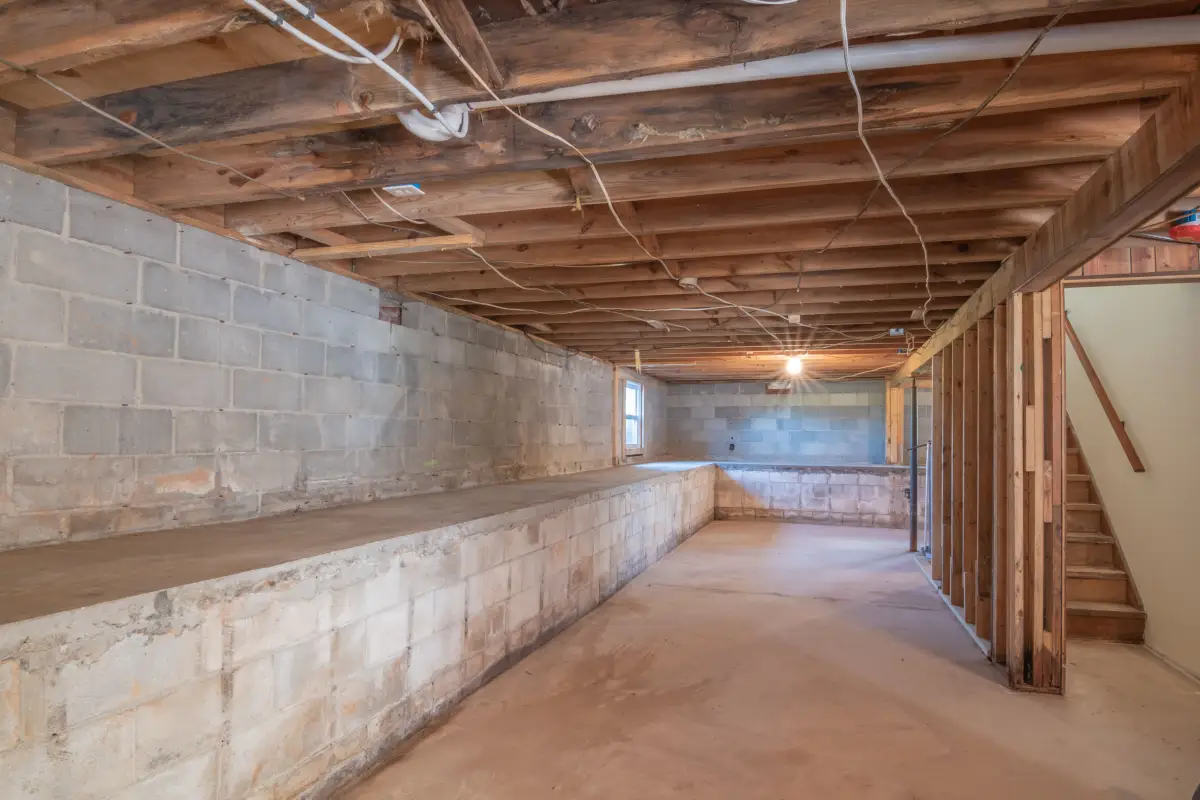
Madison Quality Epoxy Flooring is your local resource for basement epoxy flooring in Madison, WI and Dane County. We work with experienced flooring professionals who coat basement floors for homeowners and businesses who want a finished floor instead of exposed gray slab.
Below-grade concrete holds moisture that ordinary paint or a standard epoxy primer isn't built to handle — and Madison's isthmus location between Lake Mendota and Lake Monona means basement slabs here deal with more of it than most regions. An ASTM F2170 relative-humidity test gets run on every basement job before deciding on a primer, because guessing wrong is the single most common reason a basement coating fails within the first year.
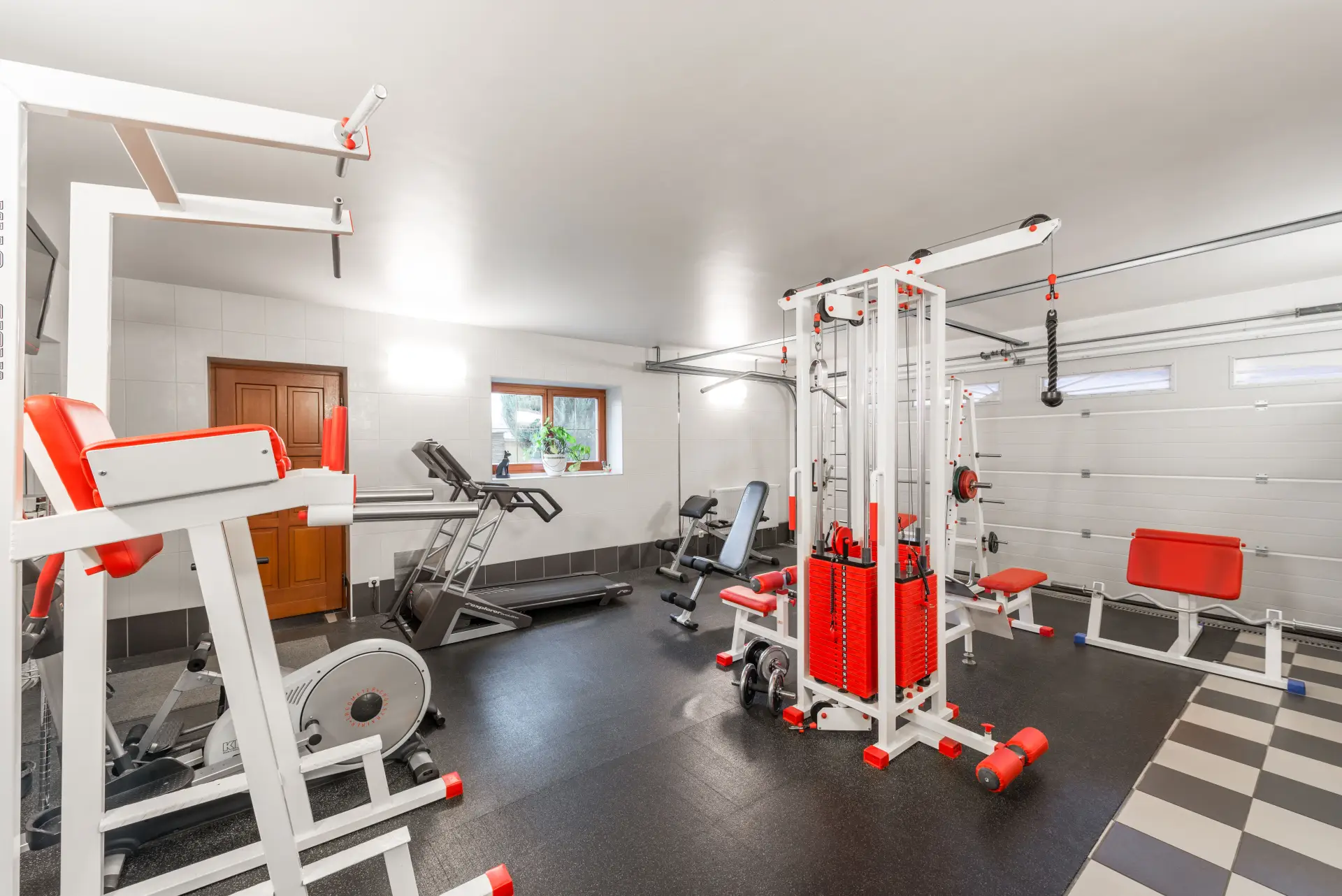
When the moisture reading calls for it, a vapor-mitigating epoxy primer goes under the finish coat instead of a standard degreaser-and-prime approach — it's the difference between a floor that lasts and one that bubbles and delaminates by the second humid summer. From there it's the same choice as any other room: solid color, flake, or metallic, depending on whether the space is a media room, a home gym, or a workshop.
What’s Included With Basement Epoxy Flooring
- ASTM F2170 relative-humidity test before any primer or coating decision
- Vapor-mitigating epoxy primer where the moisture reading calls for it
- Mechanical grinding of the existing slab
- Solid color, flake, or metallic finish options
- Crack and control-joint repair before coating
- Cure-time guidance specific to below-grade humidity and temperature
Basement Epoxy Flooring: What to Know Before You Choose
Vapor-Mitigating Primer vs. Standard Primer
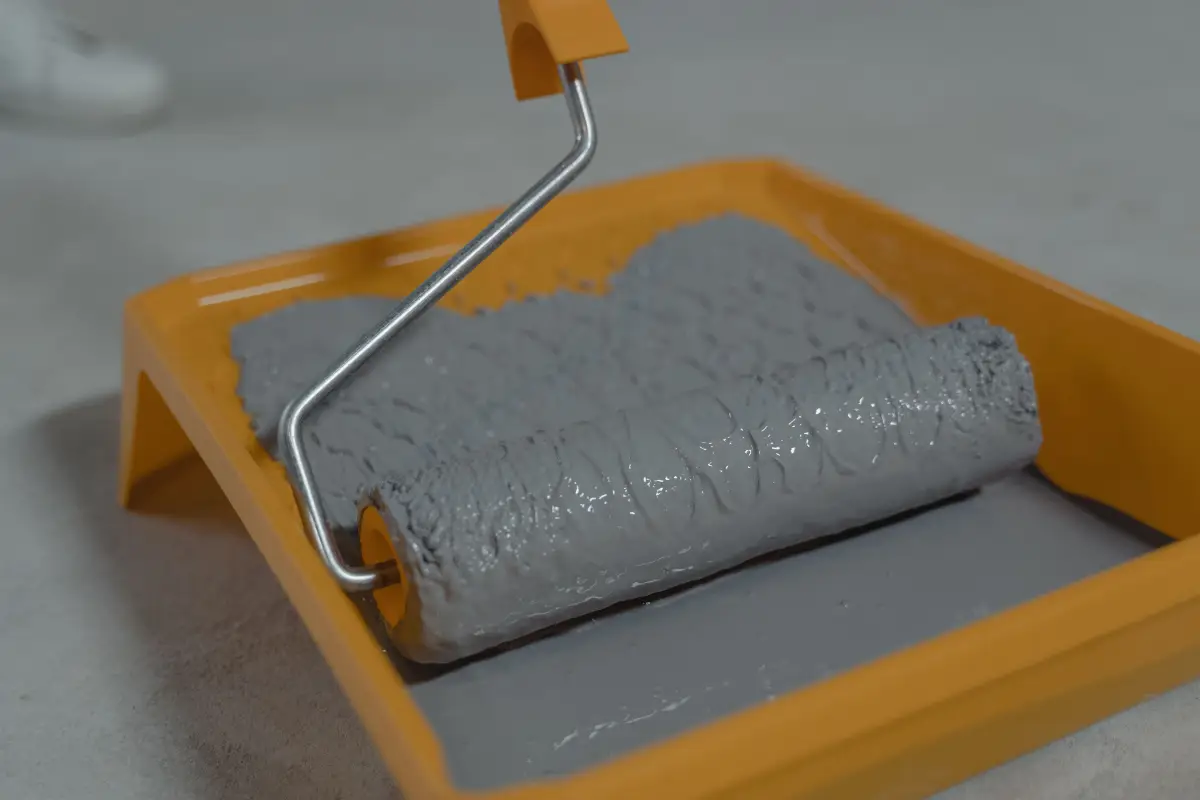
A standard epoxy primer works fine on a slab with a normal moisture reading. A vapor-mitigating primer is a different, denser formulation built to block moisture vapor from pushing up through the slab and delaminating the coating from underneath — the right call for most below-grade basements in this area, but it only makes sense to spec after an actual ASTM F2170 test, not a guess.
Signs You Need Basement Epoxy Flooring
- Bubbling, peeling, or cloudy patches in an existing basement coating
- A musty smell or visible dampness on the slab, especially after rain or spring thaw
- Bare, dusting concrete in an unfinished basement you're planning to use as living space
- Planning a basement remodel that includes flooring as part of the scope
How the Job Actually Goes
- 1
Free on-site assessment
A flooring specialist runs an ASTM F2170 moisture test and checks the slab's condition before quoting anything.
- 2
Grinding and repair
The floor gets mechanically ground and any cracks or joints repaired.
- 3
Primer selection
A vapor-mitigating primer goes down if the moisture reading calls for it — otherwise a standard primer is genuinely fine.
- 4
Finish coat and cure
The chosen finish and topcoat go down, with cure-time guidance specific to below-grade conditions.
What Does Basement Epoxy Flooring Cost in Madison, WI?
| Coating Type | Cost Per Sq. Ft. Installed | Typical 2-Car Garage (~400 sq. ft.) |
|---|---|---|
| Standard Epoxy | $3 – $7 | $1,200 – $2,800 |
| Flake Epoxy | $5 – $9 | $2,000 – $3,600 |
| Polyaspartic / Polyurea | $5 – $12 | $2,000 – $4,800 |
| Metallic Epoxy | $8 – $18 | $3,200 – $7,200 |
| Full System, Installed (all-in) | — | $1,600 – $5,800 |
National 2026 pricing from HomeGuide, Angi, and ArmorGarage cost guides, based on a typical 400 sq. ft. two-car garage. Condition of the existing concrete, coating system, and finish move the number most — estimates are free, done on-site, and that's the final price.
- Square footage
- Whether a vapor-mitigating primer is needed based on the moisture test
- Solid color vs. flake or metallic finish
- Crack repair or drainage issues found during assessment
A vapor-mitigating primer costs more than a standard one, but skipping it on a slab that needs it is the more expensive mistake — it only gets specced when the moisture reading actually calls for it, not as an automatic upsell.
What to Look for in a Madison Epoxy Flooring Professional
Moisture-Tested, Not Assumed
ASTM F2170 gets run on every basement — the below-grade moisture risk here is real enough that it doesn't get skipped to save time.
Vapor-Mitigating Primer When It's Actually Needed
It gets specced based on the test result, not by default on every job.
Local Knowledge of Madison's Isthmus Moisture
Basement slabs this close to Lake Mendota and Lake Monona deal with more sustained ground moisture than most regions — that gets planned for instead of treating every basement the same.
No Surprise Charges
The free estimate is the final price, including whatever primer the moisture test calls for.
Residential & Commercial Basement Epoxy Flooring
Residential
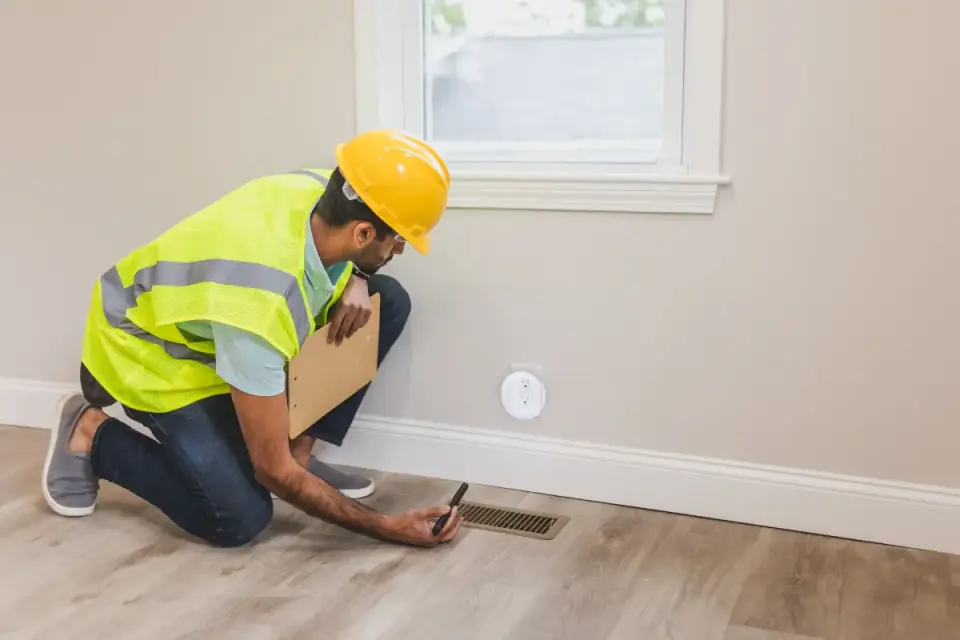
Finished or soon-to-be-finished basements — media rooms, home gyms, workshops — are the most common basement call, usually replacing a bare or previously painted slab that's started peeling or dusting.
Commercial
Businesses with below-grade storage, mechanical rooms, or finished lower-level space get the same moisture-tested approach, scaled to commercial square footage and traffic.
When This Isn’t the Right Fit
- An active water-intrusion problem — standing water, a failing sump pump, or a foundation leak needs a waterproofing contractor first; coating over an active leak just traps the problem under a new floor.
- Properties outside Dane County and south central Wisconsin — that's outside the area the professionals we work with can reach with honest response times.
Frequently Asked Questions
- Does my basement need a moisture test before epoxy goes down?
- Yes, on every job. Madison sits on an isthmus between two lakes, and below-grade moisture pushing up through a slab is a real, common issue here — the leading cause of a basement coating delaminating within its first year.
- How much does basement epoxy flooring cost?
- Basement pricing follows the same national ranges as garage epoxy — $3 to $12 per square foot installed depending on the system, per 2026 cost-guide data — plus the cost of a vapor-mitigating primer if the moisture test calls for one.
- What if my basement has a musty smell or visible dampness?
- That's usually a sign of an active moisture or drainage issue that needs to be resolved before coating, not covered by it — that's what gets said honestly if a floor coating isn't the right fix yet.
- Can I finish my basement floor myself with a box-store epoxy kit?
- You can, but most DIY kits skip the moisture test entirely, which is the single biggest reason basement coatings fail here — a kit applied over a slab with a bad moisture reading typically bubbles or peels within a year or two.
- Is residential epoxy flooring in a basement different from a garage?
- The coating chemistry is similar, but a basement almost always needs a real moisture-test decision on the primer first, since below-grade concrete holds more ground moisture than a garage slab exposed to open air.
Learn More
- ASTM F2170 — the industry-standard method for testing concrete slab moisture before coating.
- EPA — Indoor Air Quality — guidance on moisture, ventilation, and finishes in below-grade living spaces.
Ready to Get Basement Epoxy Flooring Quoted?
Tell us what’s going on and we’ll connect you with a free, on-site quote — no charge for the estimate, and no obligation to book it.
Get My Free Estimate