Industrial Epoxy Flooring in Madison, WI — Residential & Commercial Concrete Coatings
High-build epoxy and polyaspartic systems for manufacturing and production floors, rated for forklift traffic, pallet drops, and chemical exposure.
How Industrial Epoxy Flooring Gets Approached
Madison Quality Epoxy Flooring is your local resource for high-build epoxy and polyaspartic concrete coatings in Madison, WI and Dane County. We work with experienced flooring professionals who install these systems for manufacturing and production floors throughout the area.
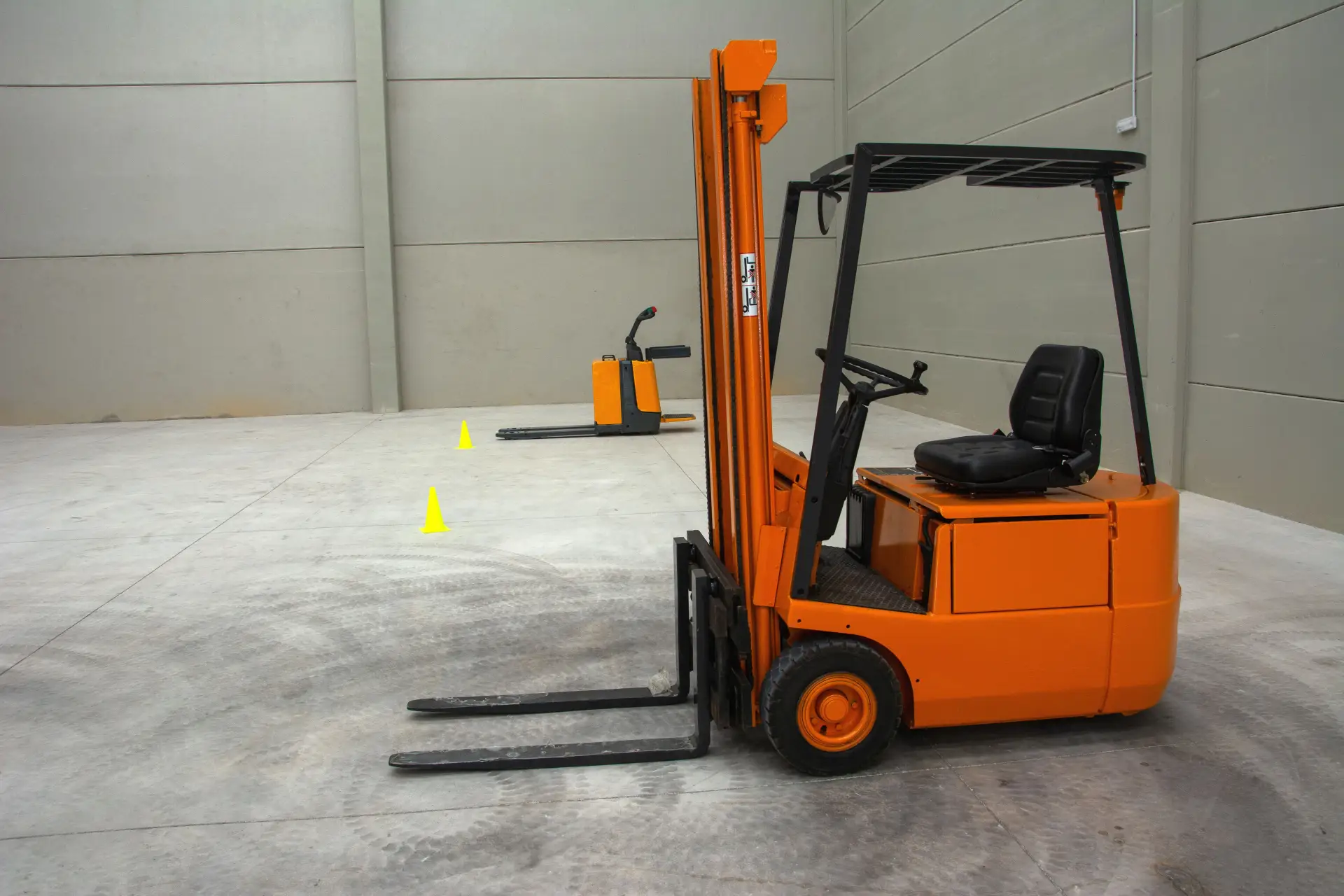
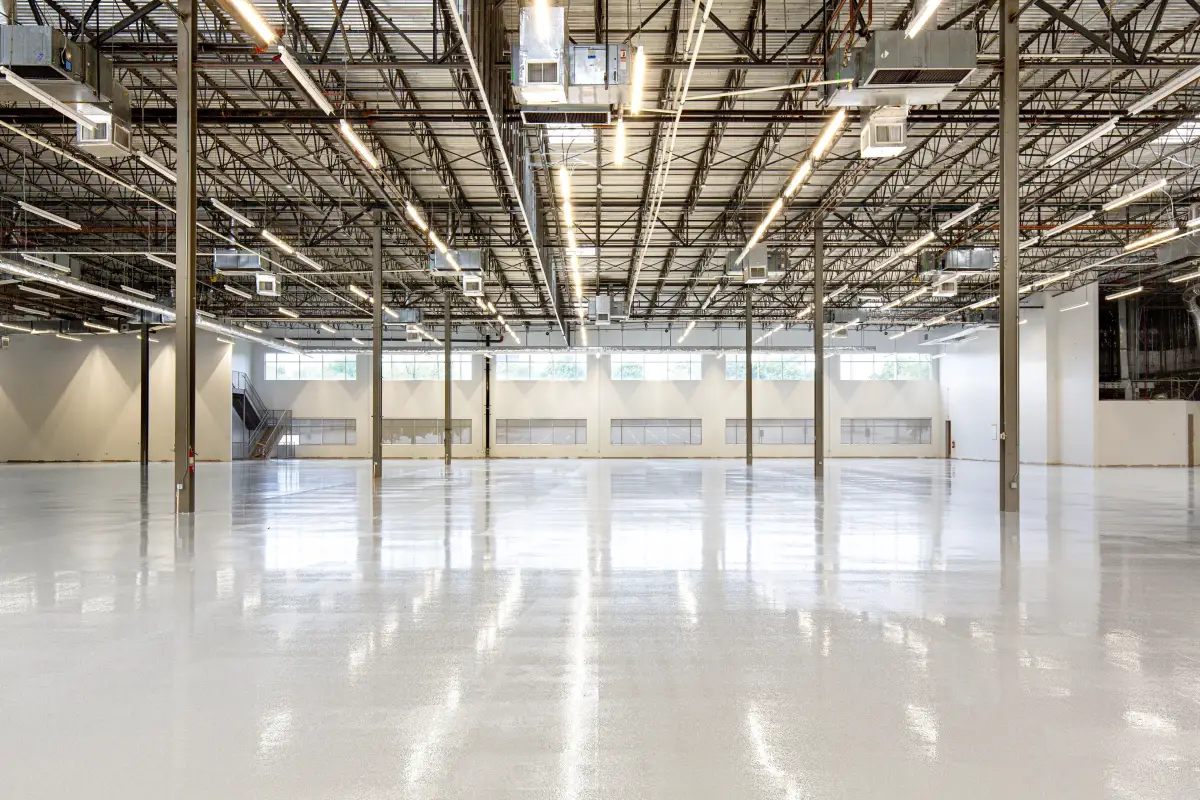
Industrial floors take a different kind of abuse than a retail showroom — forklift traffic, pallet drops, chemical spills, and continuous point loads that a standard commercial epoxy isn't built to handle. High-build systems (thicker, more heavily filled epoxy or polyaspartic) get specced with the chemical and impact resistance the specific facility needs, after grinding the slab and running an ASTM F2170 moisture test the same as any other job.
Downtime is usually the bigger cost than the floor itself for a working facility, so most industrial jobs get scheduled in sections or during a planned shutdown rather than closing the whole floor at once. The facility gets walked, what the floor actually needs to withstand gets talked through, and one fixed price is given for the full scope before anything starts.
What’s Included With Industrial Epoxy Flooring
- On-site walkthrough covering chemical exposure, traffic type, and load requirements
- Grinding and repair of the existing slab, including old coating removal
- High-build epoxy or polyaspartic system sized to the facility's actual use
- Chemical- and impact-resistant formulations where needed
- Safety line striping and floor markings
- Phased scheduling to limit production downtime
Industrial Epoxy Flooring Materials & Styles
Epoxy vs. Polyaspartic for Industrial Floors
Standard high-build epoxy costs less and handles most manufacturing environments well, but needs several days to cure — real downtime for a facility that can't easily shut down. Polyaspartic costs more per square foot but cures in about a day, meaning less production time lost, and resists chemical exposure without softening over repeated contact.
Signs You Need Industrial Epoxy Flooring
- Cracking or pitting concrete under forklift or heavy equipment traffic
- Chemical spills staining or degrading the existing floor
- An old coating peeling or delaminating under continuous rolling traffic
- Planning a facility expansion or new production line that needs floor prep
How the Job Actually Goes
- 1
Facility walkthrough & quote
Traffic patterns, chemical exposure, and load requirements get assessed, then one fixed price is given for the full scope.
- 2
Grinding and prep
The existing slab gets mechanically ground and any old coating or contamination removed.
- 3
High-build application
The epoxy or polyaspartic system goes down in the thickness and formulation the facility actually needs.
- 4
Cure and handoff
Real cure times for foot, cart, and forklift traffic get confirmed before handing sections back to production.
What Does Industrial Epoxy Flooring Cost in Madison, WI?
| Coating Type | Cost Per Sq. Ft. Installed | Typical 2-Car Garage (~400 sq. ft.) |
|---|---|---|
| Standard Epoxy | $3 – $7 | $1,200 – $2,800 |
| Flake Epoxy | $5 – $9 | $2,000 – $3,600 |
| Polyaspartic / Polyurea | $5 – $12 | $2,000 – $4,800 |
| Metallic Epoxy | $8 – $18 | $3,200 – $7,200 |
| Full System, Installed (all-in) | — | $1,600 – $5,800 |
National 2026 pricing from HomeGuide, Angi, and ArmorGarage cost guides, based on a typical 400 sq. ft. two-car garage. Condition of the existing concrete, coating system, and finish move the number most — estimates are free, done on-site, and that's the final price.
- Square footage and number of sections
- Chemical and impact resistance requirements
- Epoxy vs. polyaspartic system
- Scheduling constraints — phased work costs more than a single continuous pour
Industrial pricing depends heavily on what the floor has to resist and how the schedule needs to work around production — it gets quoted on-site, in writing, after walking the facility.
What to Look for in a Madison Epoxy Flooring Professional
Load- and Chemical-Rated Systems
The coating gets specced to actual forklift traffic, point loads, and chemical exposure, not a generic commercial product.
Phased Scheduling
Sections get coated on a rotation so most facilities keep operating instead of shutting down completely.
Fixed, Written Scope
One price for the full job, agreed before work starts — no per-day surprises once work is underway.
Licensed & Insured Crews
Every job carries general liability coverage, with proof available before work begins.
Residential & Commercial Industrial Epoxy Flooring
Residential
Homeowners with a workshop, machine shop, or heavy home-gym setup that puts industrial-level load on a floor get the same high-build systems scaled to residential square footage.
Commercial
Manufacturing floors, production lines, and shop bays all need coatings rated for continuous rolling traffic and chemical exposure — the system gets specced to the actual equipment and materials moving across that floor daily.
When This Isn’t the Right Fit
- Facilities outside Dane County and south central Wisconsin — that's outside the area the professionals we work with can reach with honest scheduling and response times.
- A floor that needs light commercial or residential-grade coating, not industrial-rated systems — the spec gets sized to the actual use rather than overselling capacity you don't need.
Frequently Asked Questions
- How much does industrial epoxy flooring cost?
- Industrial and high-build coatings typically run higher than standard commercial epoxy because of the added thickness and chemical-resistant formulation — nationally, epoxy and polyaspartic systems run $3 to $12+ per square foot depending on the spec, per 2026 cost-guide data. The facility gets walked and quoted in writing.
- Can you coat a floor without shutting down production?
- Usually, yes — most industrial jobs get scheduled in sections or during a planned shutdown so only part of the facility is out of use at a time.
- What makes an industrial coating different from a standard commercial one?
- Thickness and formulation. Industrial systems are built thicker and with more chemical- and impact-resistant fillers to handle forklift traffic and point loads that a standard commercial epoxy isn't rated for.
- Do industrial floors need moisture testing too?
- Yes, every job — ASTM F2170 relative-humidity testing before coating, regardless of whether it's a garage or a manufacturing floor. Moisture is still the leading cause of coating failure either way.
- Do you handle safety line striping for warehouses and shop floors?
- Yes — aisle markings, safety zones, and equipment lanes get built into the coating scope as part of the same quote.
Learn More
- OSHA — Powered Industrial Trucks — federal safety standards for floors handling forklift and pallet-jack traffic.
- American Concrete Institute — general technical resource on concrete surface preparation and coating standards.
Ready to Get Industrial Epoxy Flooring Quoted?
Tell us what’s going on and we’ll connect you with a free, on-site quote — no charge for the estimate, and no obligation to book it.
Get My Free Estimate